Hello AI Enthusiast,
This week, Anthropic is quietly shifting Claude from assistant to operator. New features let it work on your computer, manage your files, and handle tasks while you do something else entirely. Meanwhile, a global survey of 80,000 people reveals exactly what the world is hoping for and worried about as AI takes on more. And somewhere in between, OpenAI is closing a product that most people forgot existed. Funny how that happens.
The Big Picture 🔊
Anthropic Gives Claude Two New Ways to Work on Its Own

Anthropic released two updates focused on reducing how often Claude asks for your approval mid-task. Auto mode for Claude Code uses a built-in safety classifier to let routine actions run freely while blocking anything risky, sitting between constant check-ins and the old "dangerously skip permissions" flag. Separately, Claude can now directly control your computer, clicking, scrolling, and opening files, while a companion feature called Dispatch lets you assign tasks from your phone and collect the results later on your desktop.
|
||
|
There is something worth noticing in the naming shift here. The old workaround was literally called "dangerously skip permissions," a label designed to discourage you from using it. Auto mode is essentially the same idea, rebranded with a safety classifier on top. Is it safer? Probably. But the more interesting signal is what this tells us about where we are headed. The threshold of what feels acceptable keeps moving, and products like this are both reflecting and accelerating that shift. |

OpenAI Pulls the Plug on Sora's Social Network

OpenAI is shutting down Sora as a social media platform, though the underlying video generation model will remain accessible. The app, which launched as a creative video space before adding likes and comments later, never managed to attract a significant user base. The model itself stays available via API.
|
||
|
The problem was never the quality of the videos. Social media is interesting because of the people on it, not the content format. You can generate the most impressive AI videos in the world, but if everyone is already on Instagram, that is where creators will publish them. This might also be part of a broader pattern. OpenAI launched a lot of products quickly, and now we are starting to see which ones actually stuck. Claude will likely go through the same process. |

Anthropic Asked 80,000 People What They Want From AI, and What Scares Them

Anthropic surveyed 80,000 people across 159 countries and 70 languages, using an AI interviewer, to understand how people relate to AI. The top hope was professional support, freeing people to focus on more meaningful work. The top fears were unreliability and hallucinations, followed by job displacement and loss of human autonomy. Sentiment also split sharply by region, with developed countries more skeptical and emerging economies significantly more optimistic.
|
||
|
What stands out is the regional split. In developed countries, sentiment skews cautious. In emerging economies, it skews optimistic. If you already have access to good infrastructure and services, AI feels like a threat. If you do not, it looks more like an opportunity. |

The survey is clear: people want AI to free them up for more meaningful work. But that only happens when teams know how to use it well. Our Corporate AI Training helps companies close that gap, so AI actually delivers on the promise.
Bits and Bobs 🗞️
ChatGPT now uses the expanded Agentic Commerce Protocol (ACP) to provide faster, personalized, and visually rich product discovery from major retailers directly within its chat interface.
OpenAI's ChatGPT now lets users easily find, reuse, and organize uploaded files with a new Library tab and toolbar features.
Microsoft is reducing Copilot AI features in some apps to focus on more meaningful AI use, responding to user feedback and concerns about AI overload.
The OpenAI Foundation plans to invest $1 billion to advance AI in life sciences, job impact, AI resilience, and community programs, aiming to harness AI's benefits while addressing its challenges.
Stitch has become an AI-native design canvas that uses natural language and voice commands to quickly create, iterate, and prototype interactive UI designs with real-time AI assistance.
The Industry Accord Against Online Scams and Fraud is a new initiative addressing advanced online scams from global criminal networks to reduce financial and emotional harm.
Composer 2, a new advanced coding AI model, is now available in Cursor at a cost-effective price with improved quality from continued pretraining and reinforcement learning.
From Our Founder’s Channels 🤳
Our founder Gianluca Mauro just published his latest article, “Don’t miss the ocean for the lobster: what OpenClaw means for businesses’ agentic AI strategy”. Read it here.

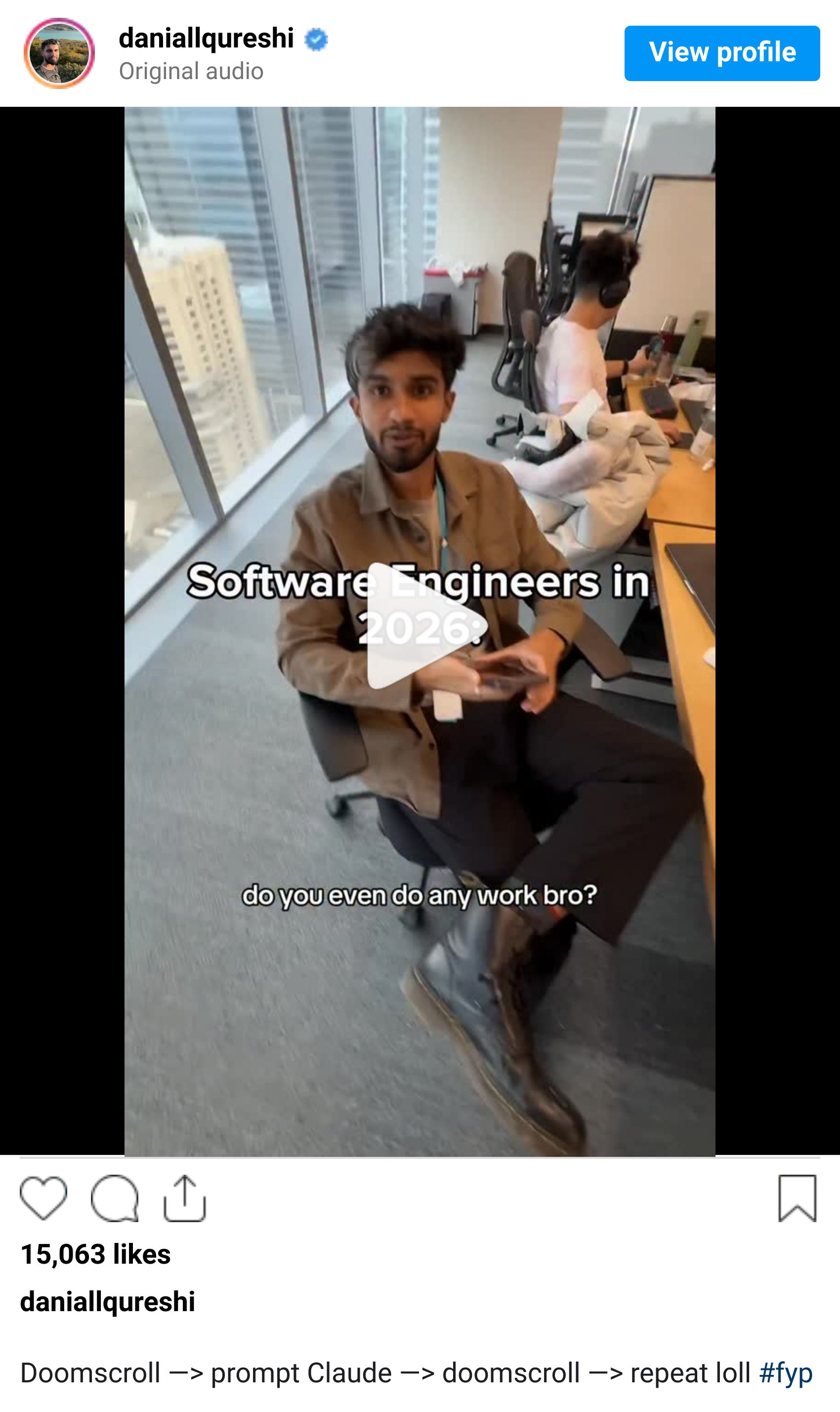
LOLgorithms 😂
That's a wrap on our newsletter! Before you go, here’s a quick recap of our offerings:
AI Academy Membership: Get 12 months of access to all our cohort-based programs and on-demand courses.
AI Agent Bootcamp: Accelerate processes and solve business problems by building AI Agents, without coding.
Practical Introduction to ChatGPT: A free course on using ChatGPT confidently, understanding its workings, and exploring its potential.
Customized Corporate Training: Equip your team with the skills they need to unlock the potential of AI in your business.
Catch you next week! 👋
